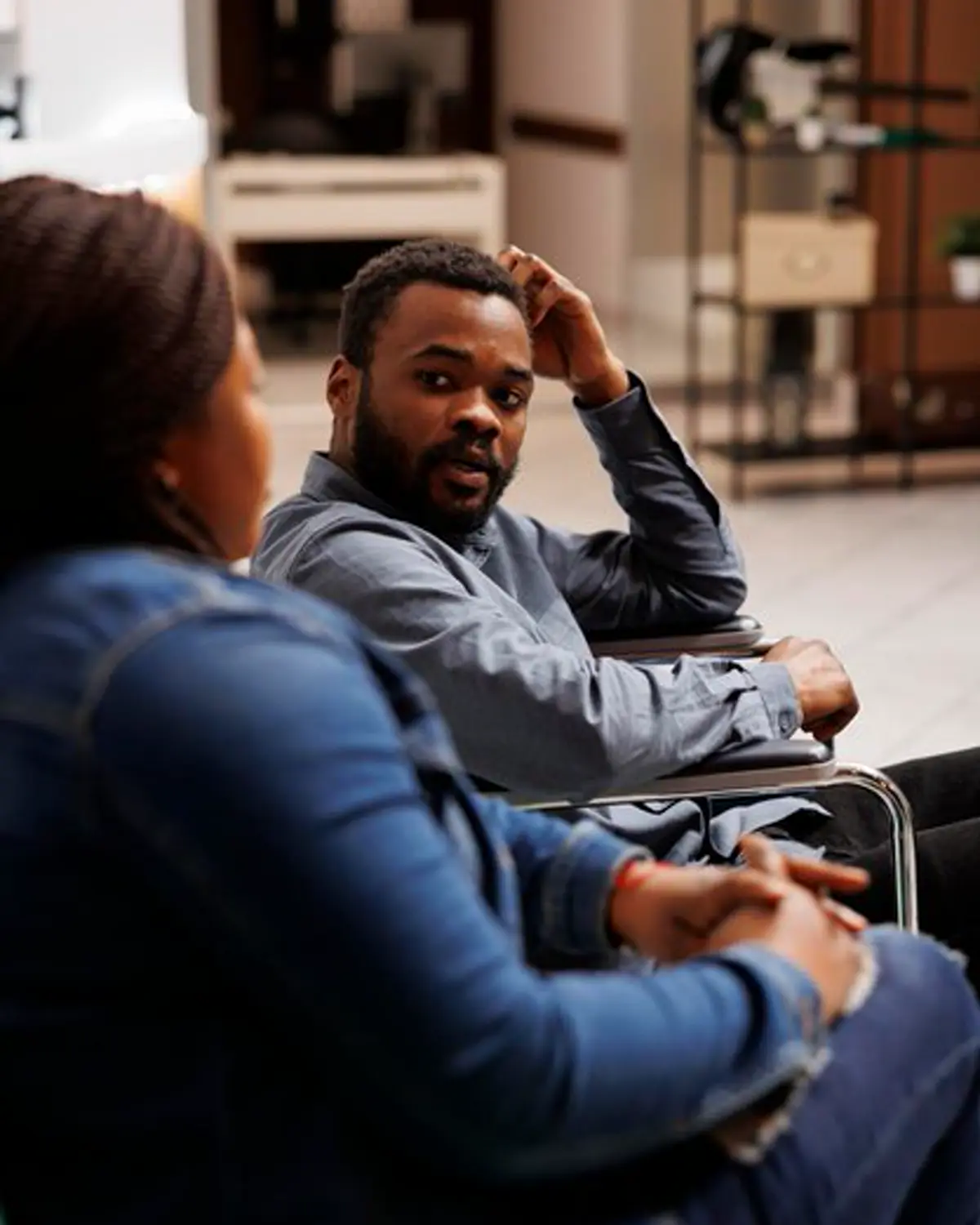


Support for Male Survivors
Confidential, survivor-centred counselling for men affected by intimate partner abuse, coercive control, stalking, or violence. Begin with safety, choice, and the concerns that matter most to you.
Breaking the Silence
Abuse may be physical, sexual, emotional, financial, digital, or based on threats and isolation. Men may delay seeking help because they expect disbelief, feel pressure to appear unaffected, fear losing contact with children, or worry they will be treated as the person causing harm. Therapy offers space to examine what is happening without shame or assumptions.
Understanding the Concern
Domestic violence can occur in relationships of any gender or sexual orientation. A therapist can help you recognize patterns, understand survival responses, rebuild trust in your judgment, and consider practical support. Counselling is not an emergency response or a substitute for legal advice.
Everyday Impact
Shared accounts, devices, schedules, and housing can complicate help-seeking.
Concern for children or parenting arrangements may shape every decision.
Messages about masculinity can turn fear or hurt into secrecy and isolation.
Trust, closeness, conflict, and boundaries may feel harder after abuse.
Our Approach
Believe Without Presuming
Your account is taken seriously while the therapist avoids imposing a ready-made story.
Work at Your Pace
You decide what to discuss and whether the priority is present safety, recovery, parenting, or next steps.
Coordinate Roles Clearly
Therapy can complement advocacy, medical, legal, or housing support without pretending to replace them.
Therapy Methods

Identify safer communication, privacy, support people, and options relevant to your situation.

Understand hypervigilance, shutdown, intrusive reminders, and protective responses without blame.

Clarify limits and rehearse language for situations where direct communication is safe.

Reconnect with values, competence, relationships, and a sense of self beyond the abuse.
Every therapist brings a unique combination of expertise, compassion, and lived understanding.
Tell the clinic if voicemail, email, billing, or shared devices create risk.
Focus first on safety, sleep, parenting, clarity, or recovery according to your needs.
Consider therapeutic goals and, when relevant, specialized community or legal resources.
Yes. Men can experience coercive control, emotional abuse, sexual violence, financial abuse, stalking, threats, and physical violence. Your gender does not make the harm less real.
A competent therapist should assess your experience rather than rely on stereotypes. You can ask how the therapist works with male survivors before booking.
No. Therapy does not require a police report, injury, or legal finding. It can help you understand patterns and their effects. Legal proceedings have separate evidence requirements.
No. A survivor-centred therapist supports informed choice and does not pressure you into a particular decision. Safety can still be discussed whether you stay, leave, or are uncertain.
Standard couples therapy may be unsafe where coercive control, threats, fear, or violence are present. Individual safety-focused support and specialist assessment should come first.
It can support emotional regulation, parenting under stress, and clearer decision-making. It cannot determine custody or replace legal advice.
Counselling is confidential within legal and ethical limits. Ask about those limits and safe documentation or contact practices before sharing sensitive information.
Call 911 if anyone is in immediate danger. Therapy is not an emergency service. A shelter, victim service, hospital, or crisis line may also support urgent safety planning.
If it is safe to contact the clinic, ask Therapedia Centre about confidential individual counselling and any privacy needs for scheduling or communication.