
Play therapy works mainly through play, stories and relationships with toys or other materials. Art therapy works through making and responding to images or objects within a therapeutic relationship. For a child, the choice between them depends on the concern being addressed, developmental and sensory needs, the therapist’s training and how the child can take part. A love of drawing or a particular birthday cannot make that decision on its own.
If you are comparing play therapy vs art therapy for children, ask what each therapist would do with your child’s actual difficulty and how you would review progress together. Both approaches can involve creativity, conversation and caregiver support. What matters is the connection between the activity, the child and the purpose of treatment.
Play therapy vs art therapy: what actually differs
Imagine seeing a box of crayons in a playroom. That tells you what materials are available, but very little about the therapy. A play therapist may use drawing within a wider play approach. An art therapist may use playful exploration alongside image making. The materials overlap; the practitioner’s training and way of working give them a therapeutic purpose.
The Canadian Association for Play Therapy describes play therapy as a developmentally responsive form of psychotherapy. The Canadian Art Therapy Association describes art therapy as a combination of the creative process and psychotherapy. Neither definition makes the finished activity the treatment by itself.
This comparison describes common features, rather than rules about what every session must contain. Ask a prospective therapist to explain their own approach in ordinary language.
| What you are comparing | Play therapy | Art therapy |
|---|---|---|
| Main way of exploring | Play, stories, actions and interactions, sometimes with figures, games or a sand tray. | Making and responding to images or objects through materials such as drawing, paint, clay or collage. |
| How a session takes shape | May follow the child’s play, use planned activities, or combine approaches. | May begin with a choice of materials, an invitation or the child’s own idea, with reflection adapted to the child. |
| What parents should ask | How does this kind of play connect to my child’s concern, and what is my role? | Why might these materials and this way of working suit my child, and what happens if they dislike them? |
| What is not required | A child does not have to give an adult-style explanation of every feeling. | A child does not have to draw realistically or produce a polished piece. |
For details about the service rather than a general comparison, Therapedia’s play therapy page describes its current work with children ages 2 to 9. That is the clinic’s advertised service range, not a universal age limit for the approach.
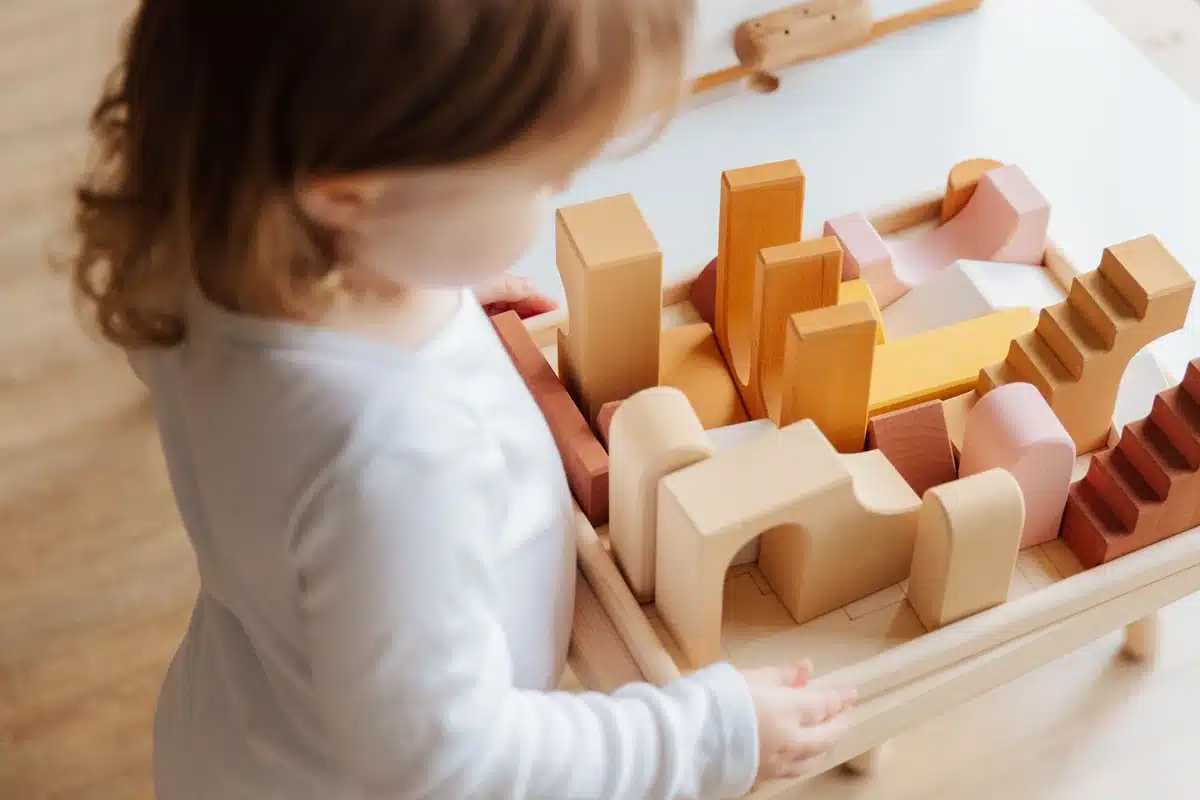
The same material can serve different purposes
Consider a hypothetical seven-year-old who becomes upset when a classroom activity changes unexpectedly. At home, the child enjoys making small creatures from clay. The family wonders whether that interest means art therapy is the obvious choice.
An art therapist might explore whether making and changing a clay object offers a useful way to express the experience. A play therapist might explore a story with the creatures or a different form of play. Either would need to understand what happens around the difficult transitions, what helps already and whether additional support is needed.
The useful question is not “Which therapist has clay?” It is “How would you use this approach to understand and address the difficulty we are bringing?” These are illustrations of possibilities, not a session plan or a recommendation for a particular child.
There is also no need to treat a picture or play scene as a hidden message with one fixed translation. A parent can be curious about the child’s meaning without deciding that a colour, character or repeated action reveals a diagnosis.
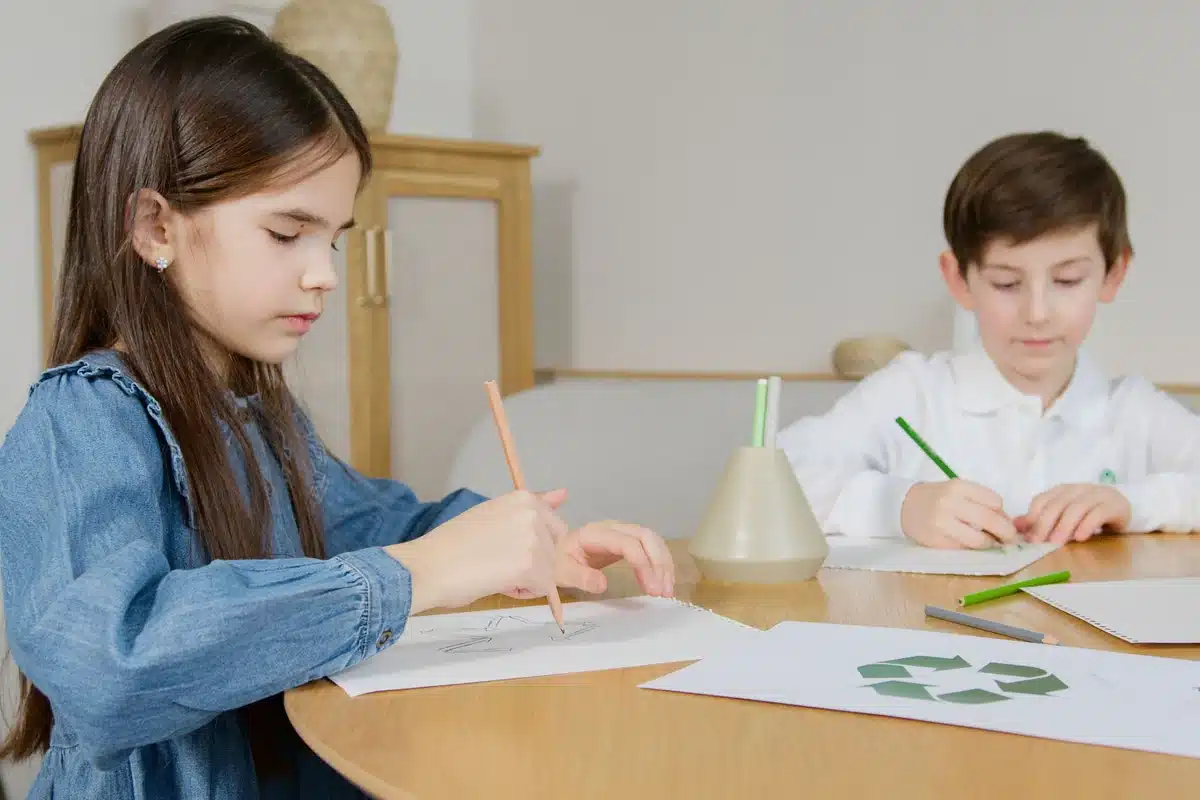
Three shortcuts that make the choice harder
Online comparisons often make a difficult decision look wonderfully simple. A neat rule can be reassuring, but it may leave out the information that would actually change the recommendation.
“My child likes drawing, so art therapy must be right”
Enjoyment is useful information about how to make a first connection. It does not explain why the child is struggling or what support they need. Equally, “I’m bad at art” does not automatically rule art therapy out. Ask about other materials, the amount of direction and how the therapist responds to reluctance or frustration.
The same caution applies to age charts. Development matters, but age alone cannot describe a child’s communication, interests or comfort with a particular material.
“Play therapy is for behaviour; art therapy is for emotions”
That division is too tidy. Both approaches may address emotional, behavioural and relationship concerns. A child’s angry reaction, for example, does not tell a parent which modality to book. The therapist needs to consider the context and the child’s needs rather than allocate a treatment from a single behaviour.
Another common shortcut appears when adults see a child enjoying a session and wonder whether anything therapeutic is happening.
“If they are having fun, it cannot be real therapy”
A session need not look like an adult interview to have a clinical purpose. But enjoyment alone is not evidence that treatment is helping, either. Ask what the work is aiming toward and what changes you and the therapist will look for outside the room. A welcoming playroom and a clear plan should be able to exist together.
Watch an art therapist’s setting before imagining your own
A brief visual introduction can make “creative process” less abstract. UC Davis Health’s video introduces art therapy in a children’s hospital. Its setting differs from an outpatient clinic, so use it to understand the approach rather than predict your child’s appointment.
Watch on YouTube: Art Therapy at UC Davis Children’s Hospital | UC Davis Health
Video summary: UC Davis presents art therapy as a mental health service using creative expression, with no artistic training required. Its programme offers individual and group work adapted to different ages and developmental levels. The focus is communication and coping through art, rather than teaching a child to make a better picture.
Take one question from the video: “How would you adapt the materials and pace for my child?” A hospital introduction cannot answer that for your family. A therapist who understands your child’s situation can explain what an appropriate adaptation might involve.
What the research can tell a parent choosing therapy
Research is most helpful when the study resembles the question you are asking. “An art activity reduced distress during a medical procedure” and “this is the right ongoing therapy for my child” are different claims.
A 2020 systematic narrative review by Liesbeth Bosgraaf and colleagues examined 37 studies of art therapy for children and adolescents with psychosocial concerns. Materials, session structure and therapist behaviour varied. Its useful insight for this choice is that “art therapy” does not describe one identical activity delivered the same way to every child. The review did not establish an individual matching rule or show that art therapy is better than play therapy.
A newer 2026 review by Yu Jia, Shaojie Zhang and Diying Liao examined drawing and visual art interventions for anxiety in children ages 5 to 12. Most trials in its main analysis involved medical or procedure-related situations. The authors reported low certainty and substantial variation between studies. That evidence may be relevant to short-term anxiety in those settings; it cannot settle a general choice between the two therapies for a child attending a community clinic.
A useful follow-up is: “What evidence supports the approach you recommend for my child’s concern, and how will we decide whether it is helping here?” That asks for an explanation specific enough to discuss, rather than a promise that one creative method works for every difficulty.
Bring a useful observation instead of a therapy verdict
You do not need to arrive knowing the correct modality. A clear description of one difficulty can give a therapist more to work with than “my child needs art therapy” or “my child needs play therapy.”
For example, a parent might say: “Over the past few weeks, getting ready to leave the house has become difficult. My child cries when the plan changes. Drawing together sometimes makes it easier to talk, but it has not solved the morning problem. We would like help understanding what is happening and making those transitions more manageable.”
This hypothetical description keeps the concern, context and child’s interests visible. It does not diagnose the problem or turn a preferred activity into a treatment recommendation.

During an initial conversation, these questions can make the recommendation easier to evaluate:
- What is your relevant training? Ask about both professional registration and specific training in the approach being offered, including experience with children of a similar developmental stage.
- Why does this approach fit the concern we described? Ask for the link between the clinical goal and the proposed way of working.
- How will you include us and protect our child’s privacy? Clarify caregiver contact, consent, information sharing and the limits of confidentiality before treatment begins.
- How will we review progress? Discuss a meaningful everyday goal and when you will revisit it, including what happens if the approach needs to change.
For example, “help with transitions” might become a discussion about how often leaving home becomes distressing, what the child experiences and what support helps. A finished painting or willingness to enter the playroom may be useful information, but neither is the whole measure of progress.
Families considering a creative approach can read about Therapedia’s art therapy for children and bring these questions to a discussion about fit. The first decision can be whom to speak with, rather than committing to a method before the child’s needs are understood.
If you are still unsure where to begin, contact Therapedia Centre to discuss the concern and the appropriate next step. Ask whether an assessment or another form of support should also be considered. Neither a favourite activity nor a comparison article needs to carry that decision alone.
Questions parents ask about play therapy and art therapy
A few practical questions remain even after the broad difference is clear. The answers below can help you prepare for a conversation about your own child.
Is art therapy the same as play therapy?
No. They have different professional traditions and primary ways of working, although materials and activities can overlap. Art therapy centres on the creative process and psychotherapy; play therapy uses play within a therapeutic approach. Ask about the practitioner’s training and treatment plan rather than identifying the therapy from a toy or art supply.
Age is another common concern, especially when a child seems older or younger than the examples on a clinic website.
What age is play therapy suitable for?
There is no single age cut-off that decides suitability for every form of play therapy. It is commonly associated with children, but approaches can be adapted for other ages. Development, needs and the practitioner’s competence matter. Therapedia currently advertises its child play therapy service for ages 2 to 9; ask the clinic about options outside that range.
Overlapping materials can also make families wonder whether choosing one approach excludes the other.
Can a child have both play therapy and art therapy?
Creative methods may be integrated when the therapist has appropriate training and a clear clinical reason. That does not mean every child needs two separate therapies or that a combined approach is automatically better. Ask how the work would be coordinated, who is responsible for the plan and how progress would be reviewed.
Sources informing this guide
Canadian Association for Play Therapy, “About Us” and its definition of play therapy; Canadian Art Therapy Association, “What Is Art Therapy?”; University of North Texas Center for Play Therapy, “What Is Play Therapy?”; UC Davis Health, “Art Therapy at UC Davis Children’s Hospital” (2023).
Bosgraaf L, Spreen M, Pattiselanno K and van Hooren S (2020). Art Therapy for Psychosocial Problems in Children and Adolescents. Frontiers in Psychology, 11:584685. Jia Y, Zhang S and Liao D (2026). Drawing and visual art interventions for anxiety in children aged 5–12. BMJ Paediatrics Open, 10:e004752.
